Published June 2026 · EcoHome Intelligence
LED vs Incandescent: The $1,400 Light Bulb Switch That Pays for Itself
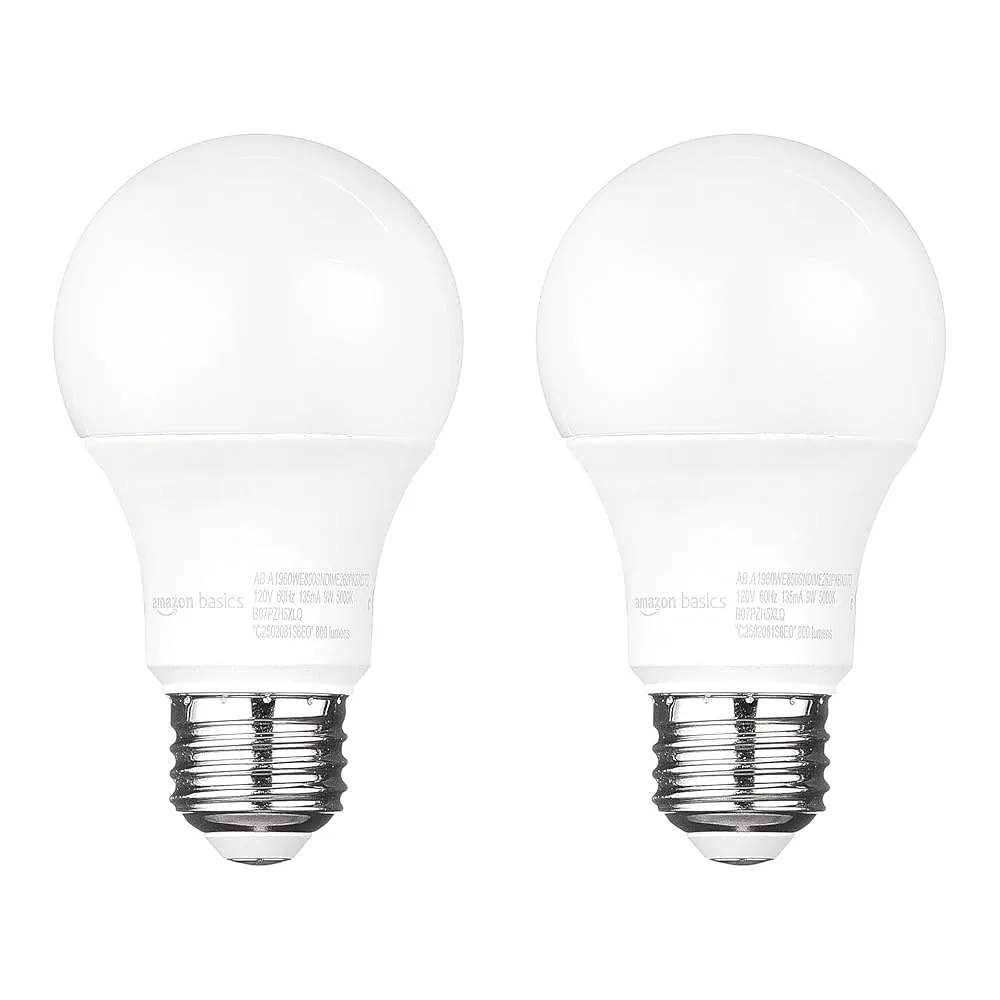
Replacing a typical 60W incandescent bulb with a 9W LED saves $60 over 10 years. Scale that to your whole house and you're looking at $400–$1,400 in savings.
In This Guide
Why LEDs Save Money
LEDs consume 80–90% less electricity than incandescent bulbs while lasting 15–25 times longer. That translates directly into lower electric bills and fewer replacement costs.
Example: Living Room with Six 60W Bulbs
If each bulb runs 5 hours per day:
| Type | Annual Cost | Bulb Life | 10-Year Total |
|---|---|---|---|
| Incandescent (60W) | $76 | 1,000 hrs | $890 |
| LED Equivalent (9W) | $12 | 15,000 hrs | $120 |
| You Save | $64/year | $770 |
Plus you only replace LEDs once every 8 years instead of annually.
Cost Breakdown Per Bulb Type
| Bulb Type | Avg. Price | Lifespan | Wattage | Annual Cost* | 10-Year Cost |
|---|---|---|---|---|---|
| Incandescent (60W) | $1.50 | 1,000 hrs | 60W | $76 | $890 |
| CFL (13W) | $3.00 | 8,000 hrs | 13W | $17 | $184 |
| LED (9W) | $4.50 | 15,000 hrs | 9W | $12 | $120 |
| LED Premium (8W) | $12.00 | 25,000 hrs | 8W | $10 | $108 |
*Assumes 5 hours/day usage at $0.26/kWh electricity rate
Room-by-Room Analysis
The average home has 40–60 light sockets. Here's how much you can save by switching each room:
Kitchen (10 sockets)
Kitchen lights typically run 4–6 hours daily for cooking prep and cleanup.
- Before: 10 × 60W incandescent = 600W/hour
- After: 10 × 9W LED = 90W/hour
- Annual savings: $114
Living Room (8 sockets)
Main living area often used 6–8 hours daily for TV, reading, or entertaining.
- Before: 8 × 60W incandescent = 480W/hour
- After: 8 × 9W LED = 72W/hour
- Annual savings: $91
Bedrooms (6 sockets each)
Bedroom lights used 2–4 hours nightly for reading and getting ready.
- Before: 6 × 60W incandescent = 360W/hour
- After: 6 × 9W LED = 54W/hour
- Annual savings: $55
Payback Period Calculator
Even premium LEDs pay for themselves in under 6 months:
- Budget LED: $4.50 bulb cost ÷ $64 annual savings = Less than 1 month
- Premium LED: $12 bulb cost ÷ $64 annual savings = Under 3 months
In a 20-bulb home, switching everything costs $90–$240 but saves $1,280 over 10 years.
Recommended LED Bulbs
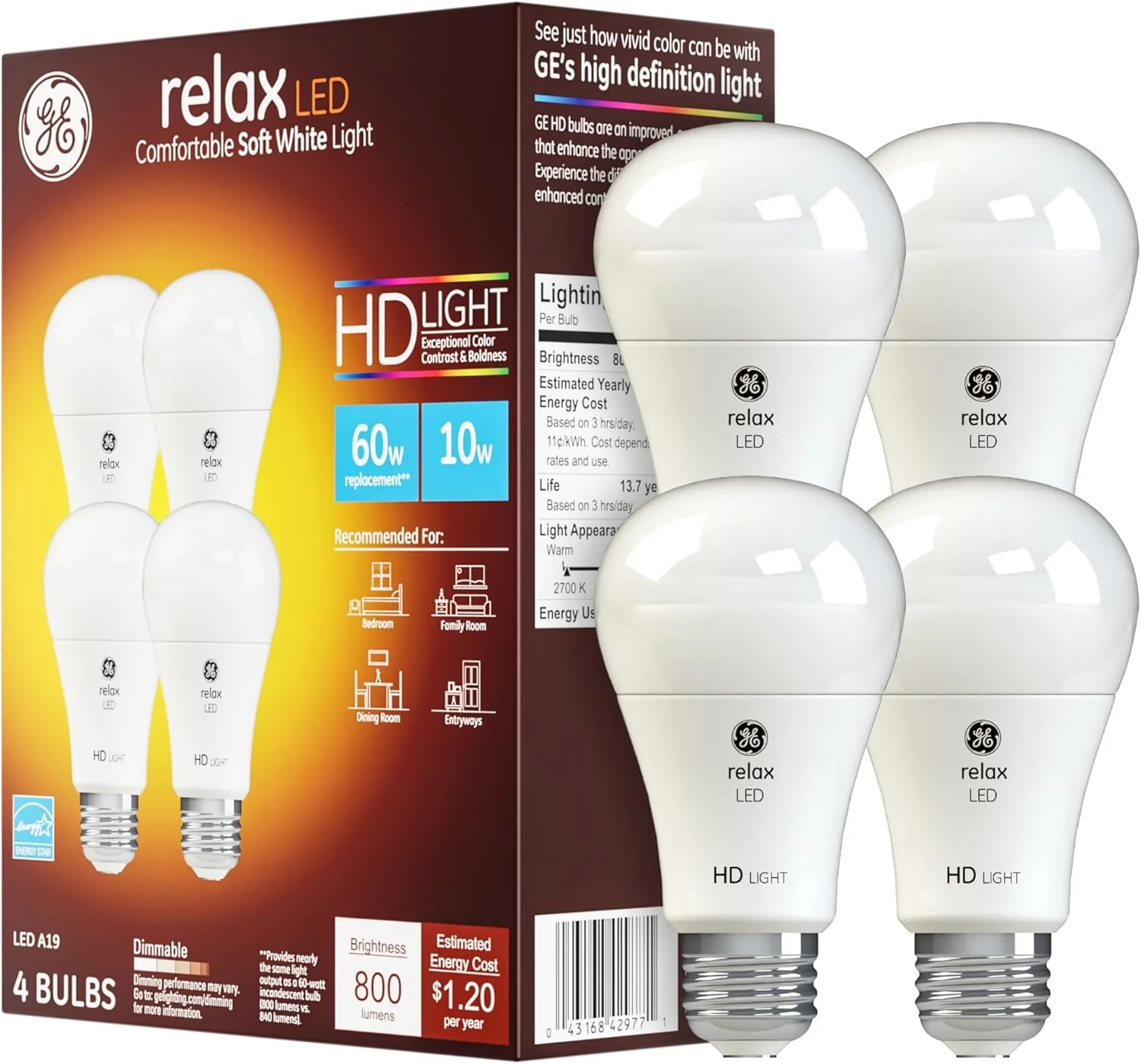
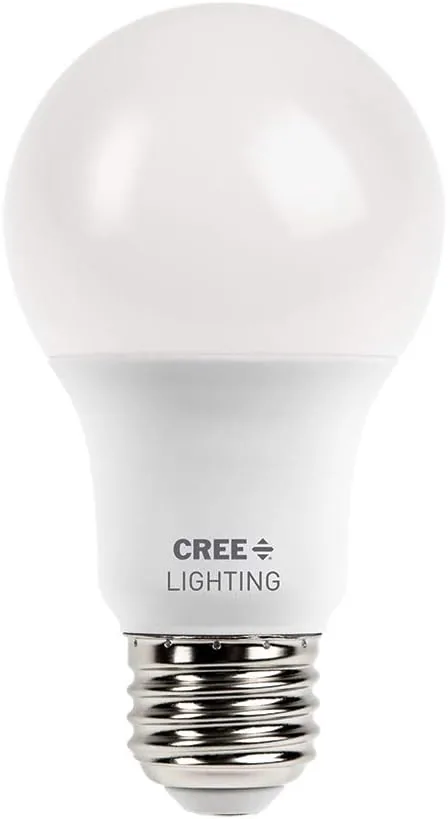
Performance: Cree A19 LED (4-Pack)
$15
Daylight 5000K · Dimmable · 15,000 hr lifespan
View on Amazon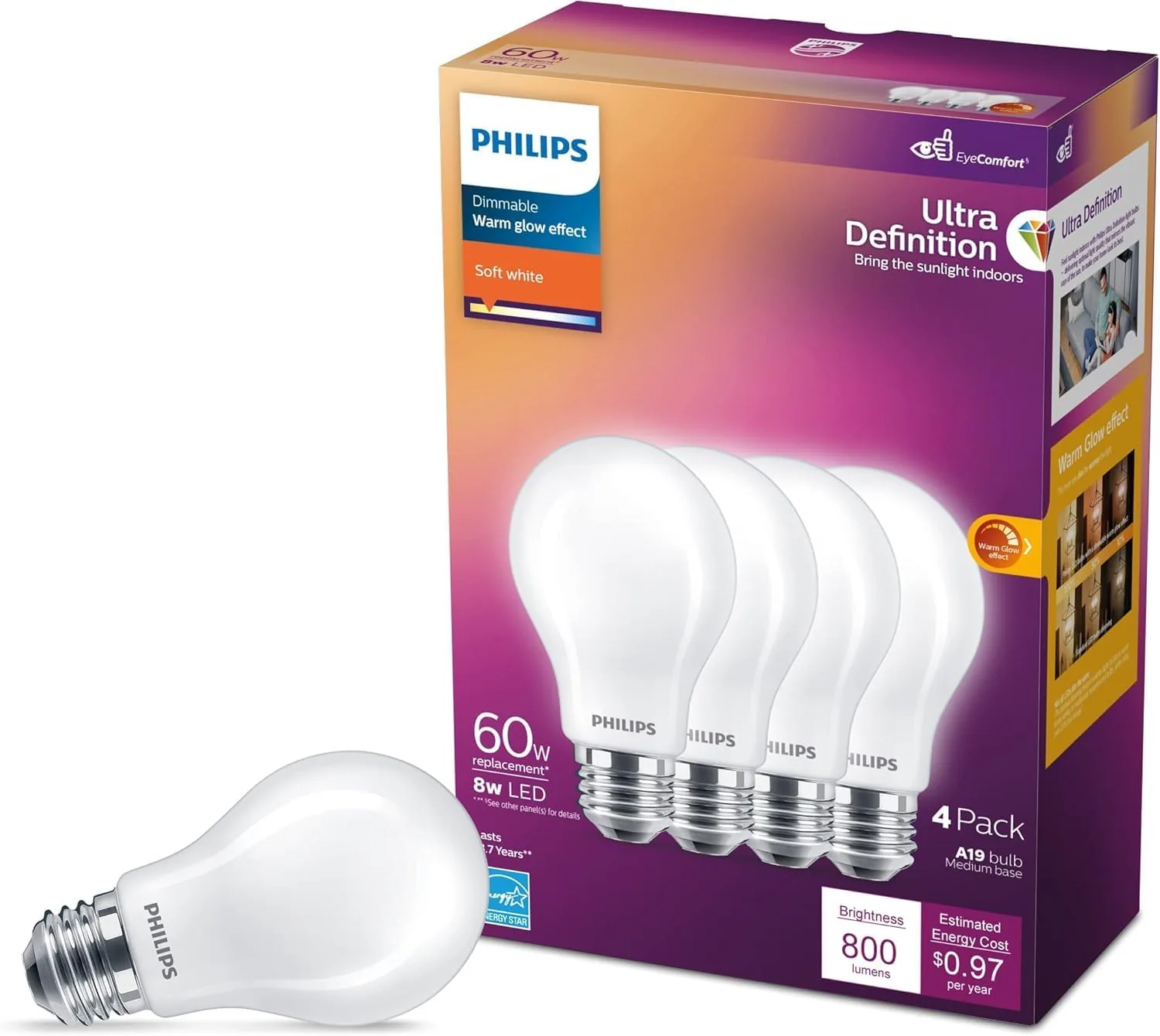
Ultra-Premium: Philips Ultra Definition LED (4-Pack)
$18
Soft white 2700K · Flicker-free · EyeComfort
View on AmazonFrequently Asked Questions
Do LEDs really last 15–25 years?
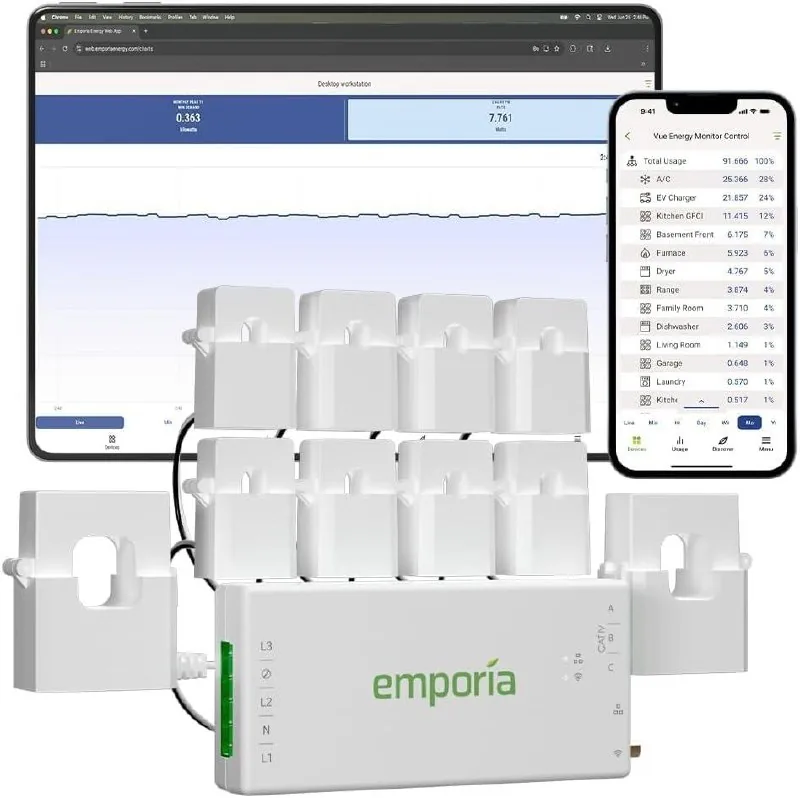
At 5 hours/day average use, yes. Heavy use shortens lifespan. LEDs also don't suddenly burn out – they gradually dim over time. For a baseline before any project, see our guide to the best home energy monitors.
Are LEDs worth it if I'm moving?
Absolutely. Moving 20 LED bulbs adds only 2 lbs to your box. The instant payback makes them portable upgrades to any home.
What about color temperature?
Warm white (2700K–3000K) mimics incandescent. Daylight (5000K–6500K) is better for task lighting.
Do LEDs work with dimmers?
Yes, but check for "dimmable" on the packaging. Non-dimmable LEDs may flicker or hum on dimmed circuits.
How to Roll Out a Whole-House Bulb Swap
Start with the fixtures used every single day: kitchen, living room, exterior lights, and bathroom vanity bars. Then move to bedrooms and task lamps. By replacing the highest-runtime bulbs first, you see the savings quickly and avoid spending money on low-use sockets that barely affect the bill.
This also helps if you care about color temperature. Test warm white in living spaces and brighter daylight tones where you prep food or work.
A Smarter Buying Order for LED Upgrades
If you cannot replace every bulb at once, start with the lights that combine long runtime and high wattage. Kitchen cans, exterior floods, vanity bars, and recessed living-room fixtures usually win first. Low-use guest-room bulbs can wait.
- Highest priority: lights used 4+ hours a day
- Next priority: hard-to-reach bulbs you do not want to change often
- Lower priority: closets, storage areas, and seasonal fixtures
This order improves both savings and convenience, because the most annoying bulbs to maintain are usually the ones with the best LED payoff.
Why Lighting Savings Compound Over Time
LED savings are easy to underestimate because each bulb looks cheap. But the compounding comes from three directions at once: less electricity, fewer replacement trips, and less heat dumped into the room. In summer, every incandescent bulb is also giving your cooling system extra work to do.
That is why lighting upgrades still matter even in homes chasing bigger HVAC or insulation wins. They are one of the simplest permanent reductions you can make.