EcoGuide · Hvac Recovery · Published 2026-09-04 · Last Updated 2026-09-04 · 820 words
Sense vs Curb Energy Monitor: Which Should You Buy?
The Problem
Sense and Curb are the two most common answers when people ask how to monitor a whole home’s electricity without hiring someone to install a smart plug on every circuit — but they solve the install problem in opposite ways, and picking the wrong one for your situation wastes $150–200.
Why It Costs You Money
Buy the wrong monitor and you either can’t install it — renters who buy Sense typically need an electrician and permanent panel access — or you get less circuit-level detail than expected, since Sense infers devices with AI rather than measuring every circuit directly the way Curb’s 10 sensors do.
How to Choose
- Start with whether you can access your panel — Sense’s current-transformer clamps and Curb’s wireless sensors both attach near the main panel, but Sense typically needs an electrician for a safe installation, while Curb’s sensors clip around the outside of breaker wiring, making it the more renter- and DIY-friendly option of the two.
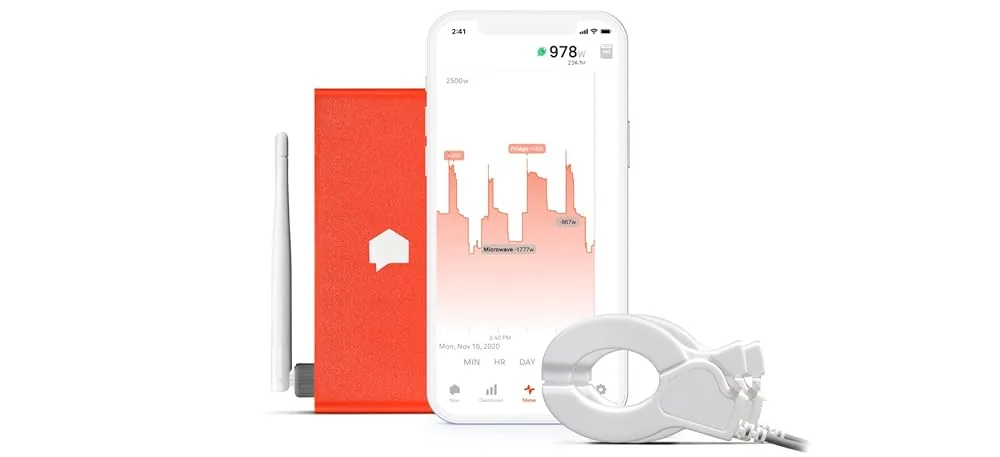
- Decide how much you care about circuit-level detail vs. whole-home AI detection — Curb tracks up to 10 individual circuits directly. Sense reads whole-home current draw and uses machine learning to infer which appliance turned on, which is impressively accurate for large loads like AC compressors and water heaters but slower to identify smaller devices.
- Match the price to what you’ll actually use — Curb runs about $150 for 10 circuits with no ongoing subscription. Sense runs about $200 and adds solar-production monitoring if you have or plan to add panels, which Curb does not offer.
- Check renter status before you buy either — If you’re renting and can’t modify permanent wiring, Curb’s clip-on sensors are the safer choice; Sense’s professional-install requirement fits homeowners planning to stay long-term.
Sense vs Curb: Side-by-Side
| Sense | Curb | |
|---|---|---|
| Price | ~$200 | ~$150 |
| Circuits tracked | Whole-home + AI device detection | 10 individual circuits |
| Install | Electrician recommended (CT clamps at main panel) | DIY-friendly clip-on sensors, renter-friendly |
| Solar monitoring | Yes | No |
| Best for | Owners who want device-level insight without sensors on every circuit | Renters or owners who want direct per-circuit data without opening the panel |
Comparing more than these two? See the full roundup: Best Home Energy Monitor in 2026.
Which One Should You Buy
- Renting or can’t modify wiring: Curb.
- Want AI device detection and solar support, and don’t mind an electrician visit: Sense.
- Want the most circuit-level detail for the price: Curb’s 10 direct circuits beat Sense’s whole-home-plus-inference approach on raw data points.
- Still deciding among five options broadly: start with the full roundup, then narrow down using this comparison.
Recommended Products
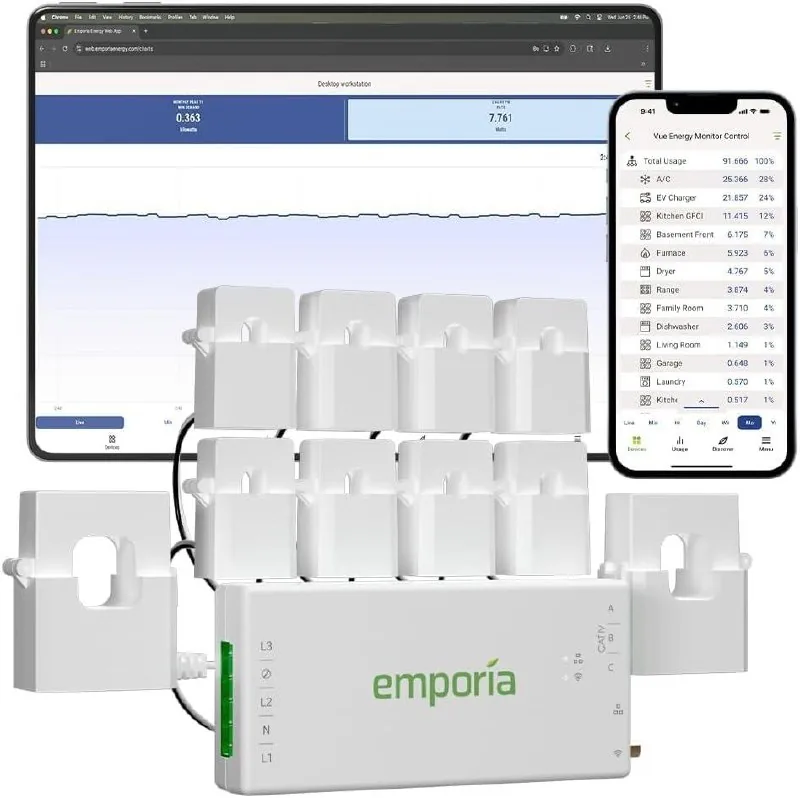
Budget: Emporia Vue 3 — ~$100, 16 circuit sensors, DIY install, no electrician needed if neither Sense nor Curb’s tradeoff fits.
Performance
Curb Energy Monitor — ~$150, wireless clip-on sensors, renter-friendly, 10 circuits tracked directly.
Eco-Premium: Sense Home Energy Monitor — ~$200, AI device detection, solar-ready, best for owners who want automatic appliance-level insight.
Affiliate Disclosure
EcoHome Intelligence participates in the Amazon Associates program. We may earn a commission from qualifying purchases at no extra cost to you.
Frequently Asked Questions
Q: Is Sense or Curb better for renters?
A: Curb, because its wireless sensors clip on near the panel without the same electrician-install requirement Sense typically needs.
Q: Does Curb track individual circuits like Sense?
A: Yes, and more directly — Curb reports up to 10 individual circuits, while Sense reads whole-home current and infers devices with AI rather than measuring every circuit separately.
Q: Which is better for solar homes?
A: Sense, since it includes dedicated solar-production monitoring that Curb does not offer.
Q: Do I need an electrician for either one?
A: Sense typically needs one for safe installation at the main panel; Curb’s sensors are designed to be installed without opening live panel connections, making it the more DIY-friendly pick.
Quick Decision Checklist
- Renting or can’t touch panel wiring → Curb.
- Want AI appliance detection and have or plan solar → Sense.
- Want the most raw per-circuit data for the price → Curb.
- Comparing more than these two → see the full 5-monitor roundup.
Neither choice is wrong — they’re built for different install situations, not different quality tiers.
Installation Notes
Curb’s clip-on sensors are typically a 15–30 minute DIY job. Sense’s CT clamps go inside the live panel, so unless you’re confident working there, budget for a licensed electrician — usually $100–200 on top of the monitor itself.
For the full field test across five monitors, see Best Home Energy Monitor in 2026.
Mistakes That Waste the Purchase
Buying Sense as a renter and then being unable to install it, expecting Curb’s 10 circuits to include the same whole-home AI insight Sense offers, and skipping the 2.4GHz WiFi check both monitors require are the most common reasons people end up disappointed.
Match the install method to your actual living situation first, features second.