Published 2026 · EcoHome Intelligence
Why Is My Electric Bill So High in Winter?
Last Updated: 2026-07-14
If your December electric bill makes you gasp, you're not alone. The average household spends 30-40% more on electricity in January than in September. Most of that spike comes from two invisible problems: thermal leaks and HVAC inefficiency.
The Real Cost of Thermal Leaks
Your home could have 5 to 15 invisible drafts that let heated air escape. Common leak points:
- Windows and doors (worn seals, single-pane glass)
- Attic hatches and basement entries
- Electrical outlets on exterior walls
- Baseboard gaps and plumbing penetrations
These leaks can cost you $200–$500 per year in wasted heating. A quick thermal leak audit finds them all in under 90 minutes. For a baseline before any project, see our guide to the best home energy monitors. Compare picks in our best smart thermostat under $100 guide.
HVAC Overwork: The Hidden Energy Drain
An inefficient HVAC system raises your bill even when your home is sealed. Common culprits:
- Dirty filters reducing airflow by up to 15%
- Thermostat placement in direct sunlight or near vents
- Leaky ducts losing 20-30% of heated air
- Short cycling from oversized units
Our Climate Calibration guide shows you how to solve each problem.
Quick Fixes You Can Do Today
Weatherstripping Kit
Seals door and window frames. Cost: ~$15. Saves: $50–$100/year.
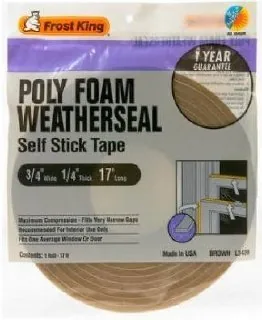
Weatherstripping Kit for Doors & Windows
$15
Self-adhesive · Seals gaps · Saves $50-100/year
View on Amazon →Door Sweep
Blocks drafts under exterior doors. Cost: ~$10. Takes 5 minutes to install.
Thermal Curtain Set
Reduces heat loss through windows by up to 25%. Cost: ~$40.
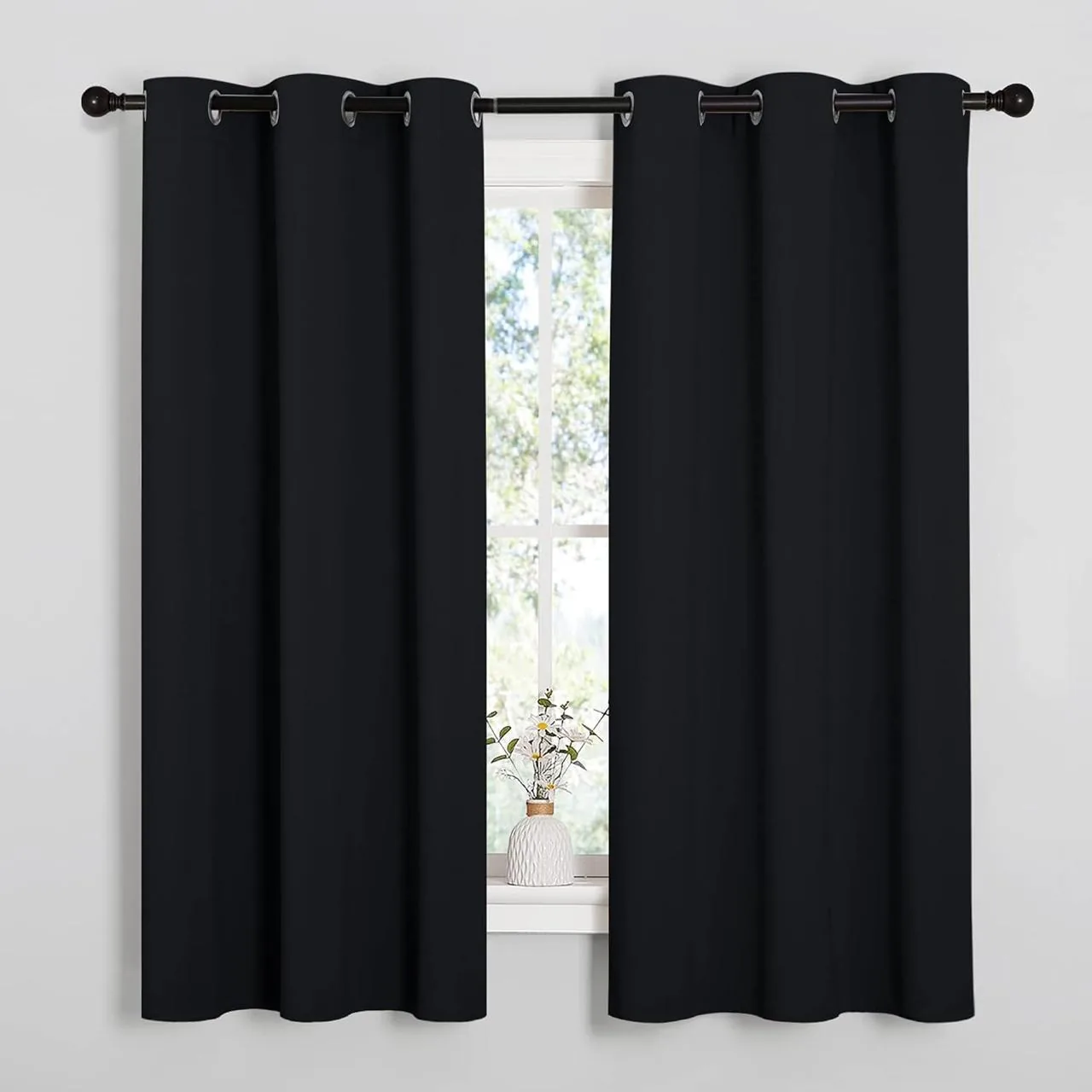
Thermal Insulated Blackout Curtains
$40
Blocks 25% heat loss · Blackout · Noise reducing
View on Amazon →The Break-Even Point
Weatherstripping + door sweep + thermal curtains = $65 total investment
Typical winter savings = $150–$250
Payback period: 2–4 weeks
For a deeper analysis, explore our Thermal Leaks and HVAC Calibration solution pages.
How to Tell Whether the Spike Is Usage or Weather
Pull the last two winter bills and compare three numbers: total kWh, average daily kWh, and delivery fees. If usage rose sharply, you are hunting an efficiency problem. If kWh stayed flat but the bill climbed, rate design or utility fees may be doing more damage than the thermostat setting.
A simple pattern to watch: higher kWh plus comfort complaints usually means drafts or HVAC issues. Higher dollars with similar kWh usually means rates, riders, or a TOU plan you are not managing yet.
When Winter Bills Are Really an HVAC Problem
If the house still feels cold even with long heating cycles, look for dirty filters, AUX heat lockouts, thermostat placement, and leaky ducts before spending heavily on more insulation. Heat-pump homes should also check our AUX heat guide and the heat-pump bill spike breakdown.
Weatherstripping
Self-adhesive weatherstripping foam tape for sealing window and door gaps
View on Amazon
Thermal Curtains
Insulated thermal curtains that block drafts and reduce window heat loss
View on Amazon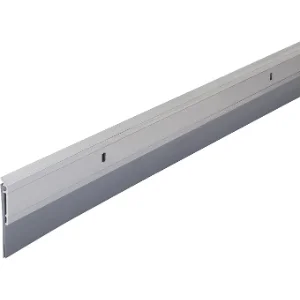
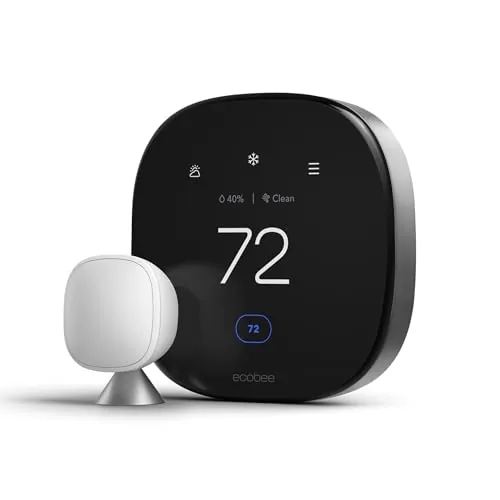
Smart Thermostat
Ecobee's flagship thermostat with built-in room sensor and air quality monitor
View on Amazon