EcoGuide · Air Sealing · Updated 2026-10-14 · 1,200 words
Attic Insulation: How to Check Yours and Lower Your Heating Bill
The Short Answer
Most American attics have less insulation than recommended. A Boston University study for the insulation industry estimated that roughly 90 percent of existing U.S. homes are under-insulated. Checking yours takes fifteen minutes and a tape measure.
If you need more, seal the air leaks in the attic floor first, then add insulation to the level ENERGY STAR recommends for your climate. The EPA estimates sealing plus insulating can save an average of 15% on heating and cooling costs.
Step 1: Measure What You Have
From the attic hatch, with a flashlight, ENERGY STAR’s instruction is simple: use a measuring tape/ruler to measure the depth of the insulation. Measure in three or four places and average them, because depth is rarely even.
The quick visual test: ENERGY STAR says that if the insulation is at or below the level of the attic floor joists, you probably need to add more.
Before you go further, look for these and stop if you find them:
- Vermiculite: loose, pebbly, gray-brown or silver-gold granules. The EPA says to assume the vermiculite contains asbestos and do not disturb it.
- Moisture: ENERGY STAR lists wet or damp insulation and moldy or rotted rafters as problems to fix before insulating.
- Bath or kitchen fans venting into the attic rather than outdoors.
- Knob-and-tube wiring (pre-1930s), which should not be buried in insulation.
Step 2: Convert Inches to R-Value
R-value per inch depends on the material. Typical figures from the Department of Energy’s Building America program:
| Material | How it looks | R-value per inch |
|---|---|---|
| Loose-fill fiberglass | Small white, pink or yellow fluffy pieces | 2.2 to 2.7 (settled) |
| Loose-fill cellulose | Gray, shredded-paper texture | 3.2 to 3.8 (settled) |
| Fiberglass batts | Rolls or blankets between the joists | 2.9 to 3.8 (standard density) |
Sources: Building America Solution Center, loose-fill insulation and the DOE’s Energy Renovations: Insulation guide. ENERGY STAR’s rule of thumb is that common types have an R-value of about 3 – 3.5 per inch.
Example: 6 inches of loose-fill fiberglass is roughly R-13 to R-16. Note that loose fill settles: Building America says cellulose settles 10 to 20 percent over time and fiberglass 2 to 4 percent, so measure what is there now.
Step 3: Compare With the Recommended Level
ENERGY STAR’s recommended attic levels, based on the 2021 International Energy Conservation Code:
| Climate zone | Uninsulated attic | Attic with 3–4 inches already |
|---|---|---|
| 1 | R30 | R25 |
| 2 and 3 | R49 | R38 |
| 4 to 8 | R60 | R49 |
How deep that is depends on the material. Owens Corning’s AttiCat coverage chart lists a minimum settled thickness of 17 inches for R-49 and 20.5 inches for R-60 with its blown fiberglass. Cellulose reaches the same R-value with less depth.
Step 4: Seal the Attic Floor First
Insulation slows heat flow but does not stop air. ENERGY STAR recommends you complete an attic sealing project before doing this project. Its list of common leak spots includes behind and under kneewalls, the attic hatch, wiring and plumbing holes, dropped soffits, recessed lights and the furnace flue chase.
Our attic air sealing guide covers the materials and what a contractor should charge, and how to seal an attic hatch covers the most common leftover leak.
Step 5: Add Insulation (DIY or Pro)
- Keep the eaves open. The Department of Energy says baffles should be installed in the attic in every rafter bay that has a soffit vent, so blown insulation cannot block the vents.
- Keep insulation away from recessed lights that are not rated IC: ENERGY STAR says at least 3 inches.
- Blown-in is easiest for topping up. Many home centers rent the blowing machine. Work in pairs: one feeding the hopper, one in the attic.
- Protect yourself: safety glasses, gloves and a particulate respirator. Walk only on joists or boards laid across them.
- Or hire it out. Angi puts the national average for attic insulation at $2,100, with most homeowners paying $1,700 to $2,500 (October 2026). Get quotes that list air sealing separately.
Help With the Cost
- The federal tax credit has ended. The IRS says you can’t claim the credit for expenditures or property placed in service after December 31, 2025.
- Home Energy Rebates in participating states list insulation, air sealing and ventilation among eligible upgrades; ENERGY STAR keeps a summary of the program.
- Utility programs often subsidize air sealing and insulation after an energy assessment. Check your utility before buying materials.
What We’d Buy for a DIY Top-Up
Air-sealing foam and caulk come from any hardware store.
We may earn a commission if you buy through these links, at no extra cost to you. Products are chosen on published specifications; we do not test them in-house (how we choose).

Owens Corning AttiCat Blown-In Insulation
Loose-fill fiberglass for topping up after the air sealing is done. Needs a blowing machine; check the bag chart for how many bags your area needs.
Check price on Amazon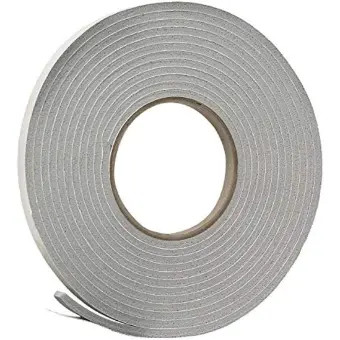
Frost King V443/4 Vinyl Foam Tape (4-pack)
For weatherstripping the attic hatch so it seals like an exterior door.
Check price on AmazonFree: Home Energy Audit Checklist (PDF)
A two-page, room-by-room checklist for finding air leaks, standby power and heating and cooling waste yourself, in the order that pays back fastest. Get it now, plus new fix guides by email. Unsubscribe any time.
By signing up you agree to receive emails from EcoHome Intelligence. See our Privacy Policy.
Frequently Asked Questions
How much attic insulation do I need?
ENERGY STAR recommends R60 for an uninsulated attic in climate zones 4 to 8 and R49 in zones 2 and 3. If you already have 3 to 4 inches, add enough to reach R49 (zones 4 to 8) or R38 (zones 2 and 3).
How many inches is R-49 or R-60?
It depends on the material. Owens Corning's AttiCat chart lists 17 inches settled for R-49 and 20.5 inches for R-60 with blown fiberglass. Cellulose needs less depth for the same R-value.
How do I know if my attic needs more insulation?
Measure the depth in several places. If the insulation is level with or below the tops of the floor joists, ENERGY STAR says you probably need more.
Should I air seal before adding attic insulation?
Yes. ENERGY STAR recommends completing an attic air sealing project before adding insulation, because insulation does not stop air leaks.
Is there a tax credit for attic insulation in 2026?
No. The federal credit does not apply to work placed in service after December 31, 2025. Look for state Home Energy Rebates and utility programs.
What if I find vermiculite in my attic?
Do not disturb it. The EPA says to assume it contains asbestos; hire a professional if you plan work in the attic.
Related Guides
- Attic air sealing cost — seal first, then insulate
- Insulation not lowering your bill? — if you already added some
- How to seal an attic hatch — the most common leftover leak
- Home energy audit checklist — a two-page printable
Sources
- ENERGY STAR: How to check your attic insulation level
- ENERGY STAR: Recommended insulation R-values
- ENERGY STAR: Attic insulation project
- ENERGY STAR: Attic air sealing project
- ENERGY STAR: Methodology for estimated savings
- Building America Solution Center: Loose-fill insulation
- U.S. Department of Energy: Energy Renovations, Insulation (PDF)
- U.S. Department of Energy: Baffles
- Owens Corning: AttiCat application instructions (PDF)
- EPA: Asbestos-contaminated vermiculite insulation
- ACHR News: 90% of U.S. homes under-insulated
- Angi: Attic insulation cost (Oct 2026)
- IRS: Instructions for Form 5695
- ENERGY STAR: Home Energy Rebates (HEAR)
