EcoGuide · Air Sealing · Updated 2026-10-12 · 1,400 words
Drafty Basement? How to Find and Seal the Air Leaks Before Winter
The Short Answer
A cold, drafty basement is usually the bottom half of a chimney. ENERGY STAR explains that in cold weather warm air rises in your house, just like it does in a chimney. It leaks out high up, and outside air is pulled in low down to replace it, much of it through the basement.
The fix is to seal where that air enters: the rim joist, the windows and the holes where pipes, wires and vents go through the wall. Most of it is a weekend job with caulk, spray foam and rigid foam board. Then do the attic, because ENERGY STAR notes that basement leakage is exacerbated by the chimney effect created by leaks in the attic.
Why the Basement Pulls Air In
Natural Resources Canada describes it plainly: in winter the house works like a chimney, and air enters the house at lower levels and leaves at the upper levels and ceiling. The basement is the lowest level, and its top edge, where the wood framing sits on the foundation, is full of small gaps.
That is why sealing only the attic or only the basement does half the job. Both ends of the chimney need closing.
Step 1: Find the Leaks
- Incense. On a cold, windy day, move a lit incense stick slowly along the top of the foundation wall, around basement windows and the door, and around every pipe, wire and vent that goes outside. Smoke pulled sideways marks a leak.
- Light. ENERGY STAR suggests that with lights on upstairs you observe from the attic, crawlspace or basement any light from the interior of the house shining through gaps. That finds holes in the basement ceiling to the floor above.
- A thermal camera makes cold spots obvious, especially on a cold day. Natural Resources Canada calls an infrared scanner used with a blower door a powerful tool to locate air leaks and missing insulation.
Make a list as you go: rim joist bays, windows, the door, and each penetration. Those are your work orders.
Step 2: Seal the Rim Joist
The rim joist (or band joist) is the board that runs around the top of the foundation wall, with the floor joists butting into it. ENERGY STAR’s guidance: it is best to seal up the top and bottom of the inside of the rim joist cavity.
- Seal the cracks first. ENERGY STAR says to use caulk for any gaps or cracks ¼ inch or less and spray foam for anything larger, including where the sill plate meets the concrete.
- Cut rigid foam board to fit each bay. The Department of Energy says rim joists can be sealed with rigid foam that is cut to fit the space, with caulk or spray foam around the edges to seal it in place.
- Seal around anything that passes through the rim: hose bibs, dryer vents, cable and gas lines.
Fire safety. Exposed foam is a fire hazard. The DOE weatherization job aid says foam products require a thermal barrier or coating, such as 1/2-inch gypsum board, with an exception for rim joists where the foam is no more than 3.25 inches thick and the space is not permanently habitable. If your basement is finished or you are unsure, it adds: consult local code officials for clarification.
Step 3: Windows, the Door and Penetrations
- Basement windows: caulk between the frame and the concrete, and weatherstrip any that open. For old single-pane sashes, an interior shrink-film kit is a cheap winter fix; ENERGY STAR says these covers are inexpensive, reduce drafts, help the house feel warmer during winter months.
- An exterior basement door: treat it like any exterior door, with a sweep at the bottom and a gasket around the frame. Our door weatherstripping guide covers which seal goes where.
- Penetrations to outside: foam around pipes and cables. Natural Resources Canada advises that exhaust fans and vents should vent to the outside and close properly when not in use.
- Holes up into the house: ENERGY STAR also recommends you seal penetrations that go through the basement ceiling to the floor above, such as plumbing and wiring chases.
Safety Check: Gas Appliances
If your furnace or water heater burns gas or oil and vents up a chimney, tightening the basement changes the air it draws on. ENERGY STAR warns that sealing in some cases can cause naturally venting combustion appliances to backdraft exhaust gases into the house.
Have a heating contractor do a combustion safety check after a big air-sealing job, and make sure you have working carbon monoxide alarms. Never seal or block the appliance’s combustion air supply.
If the Basement Is Not the Problem
- If you find few leaks, the attic is the next suspect. See our attic air sealing guide.
- Damp walls, condensation or a musty smell are a moisture problem as much as an air problem. See basement condensation and thermal bridging.
- If your usage is flat and the bill keeps rising, the cause may be the rate. See the 2026 rate hike guide.
What We’d Buy
Caulk, spray foam and foam board come from any hardware store. These cover the rest.
We may earn a commission if you buy through these links, at no extra cost to you. Products are chosen on published specifications; we do not test them in-house (how we choose).
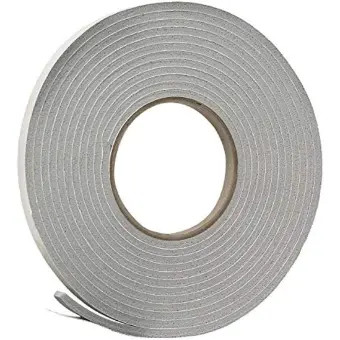
Frost King V443/4 Vinyl Foam Tape (4-pack)
For basement windows that open and the frame of a basement door.
Check price on Amazon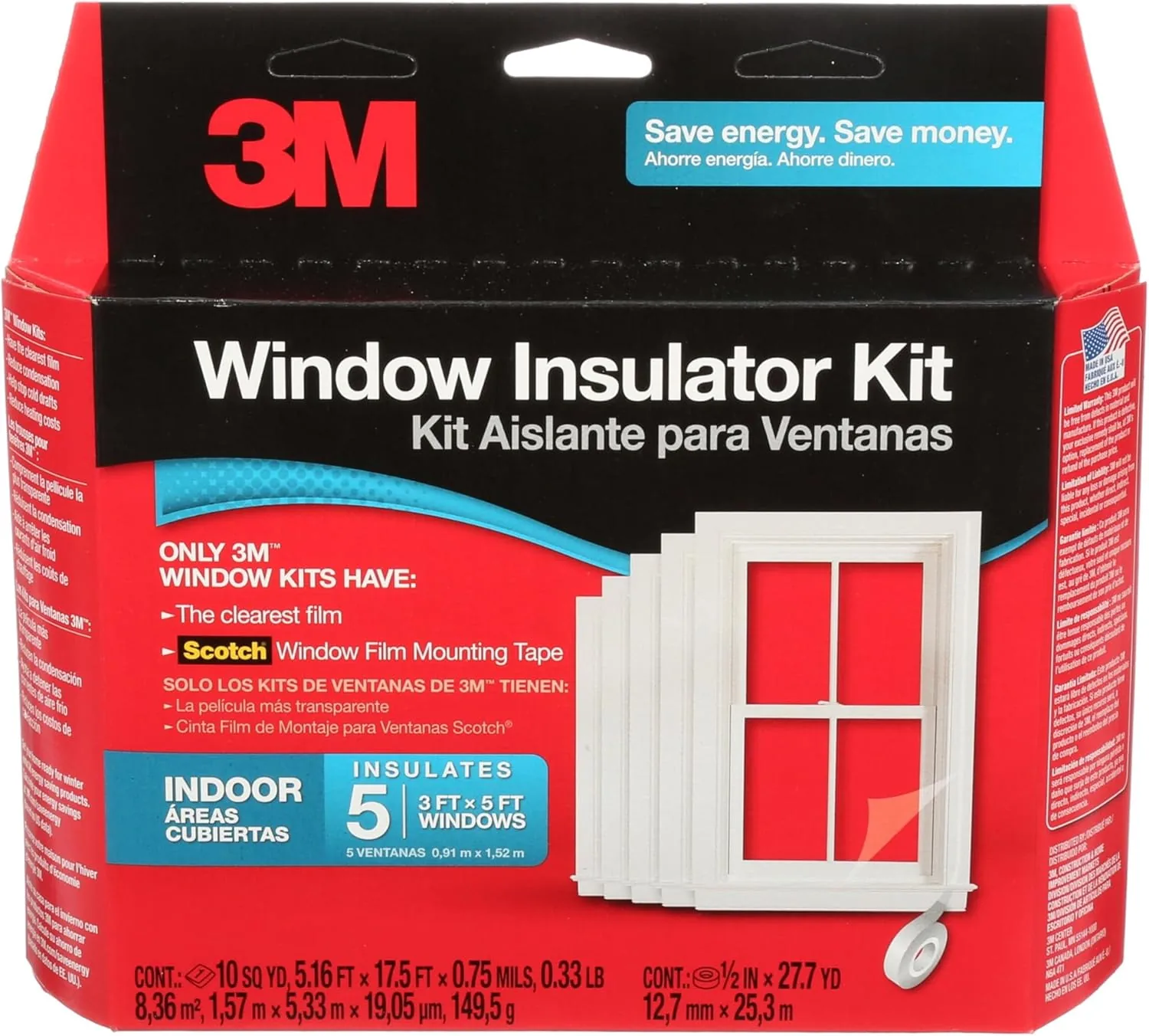
3M Indoor Window Insulator Kit
Shrink film for old single-pane basement windows over winter.
Check price on Amazon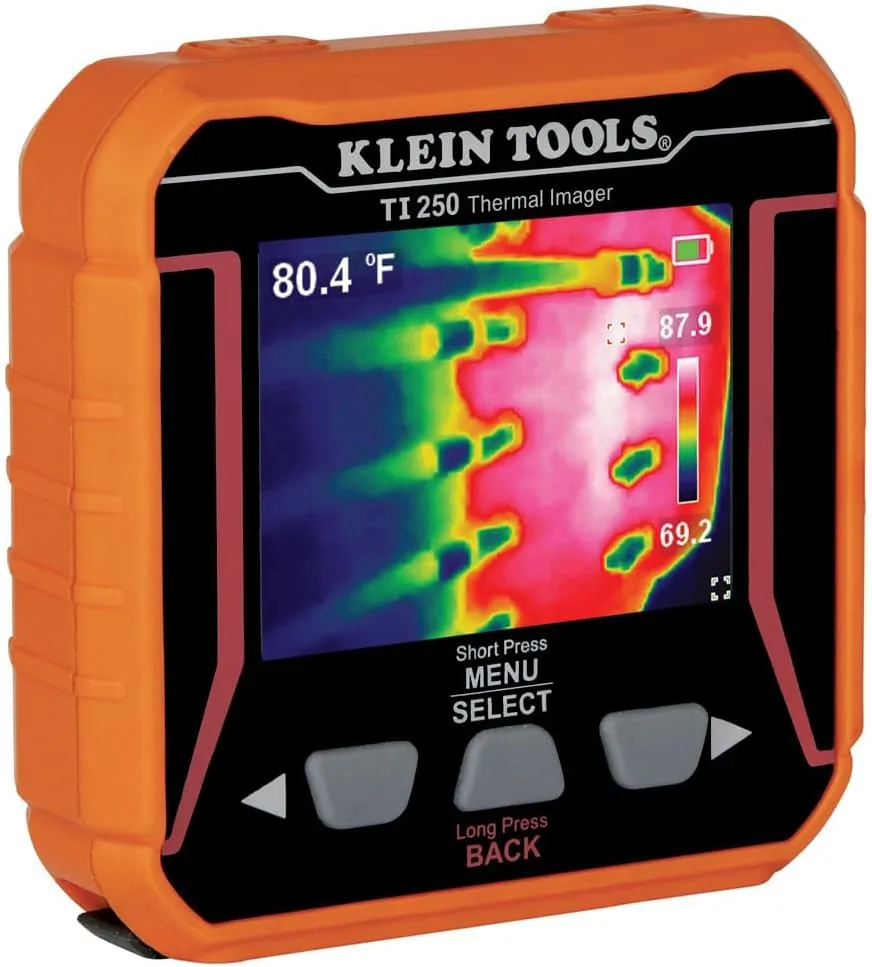
Klein Tools TI250 Thermal Imager
Shows cold rim joist bays and gaps on a cold day. Worth it if you will also check the attic and walls.
Check price on AmazonFree: Home Energy Audit Checklist (PDF)
A two-page, room-by-room checklist for finding air leaks, standby power and heating and cooling waste yourself, in the order that pays back fastest. Get it now, plus new fix guides by email. Unsubscribe any time.
By signing up you agree to receive emails from EcoHome Intelligence. See our Privacy Policy.
Frequently Asked Questions
Why is my basement so drafty?
In cold weather warm air rises and leaks out of the top of the house, and outside air is pulled in at the bottom to replace it. The basement, especially the rim joist where the framing meets the foundation, is where much of that air gets in.
How do I seal a basement rim joist?
Caulk gaps of a quarter inch or less, spray-foam larger ones, then fit rigid foam board into each joist bay and seal its edges with caulk or spray foam. That follows ENERGY STAR and Department of Energy guidance.
Does foam in the rim joist need to be covered?
Usually foam must be covered by a thermal barrier such as half-inch drywall. A DOE job aid notes an exception for rim joists where the foam is 3.25 inches thick or less and the space is not permanently habitable. Check with your local code official.
Should I seal the basement or the attic first?
Both matter, because they are the two ends of the stack effect. ENERGY STAR notes that basement leakage is made worse by attic leaks. Many people start with the basement because it is easier to reach.
Is it safe to seal a basement with a gas furnace or water heater?
Usually, but ENERGY STAR warns that sealing can cause naturally venting appliances to backdraft. Have a combustion safety check done afterwards and keep carbon monoxide alarms working.
Related Guides
- Basement condensation and thermal bridging — when the problem is moisture
- Attic air sealing cost — the other end of the chimney
- How to find thermal leaks — tools and methods
- Home energy audit checklist — a two-page printable
Sources
- ENERGY STAR: Basement and crawlspace
- ENERGY STAR: Sealing air leaks in the basement
- ENERGY STAR: Locating air leaks
- ENERGY STAR: DIY checks and inspections
- ENERGY STAR: Plastic over windows
- U.S. Department of Energy: Insulating and sealing rim joists
- U.S. Department of Energy: Weatherization job aid, insulate rim joist (PDF)
- Natural Resources Canada: Keeping the Heat In, chapter 4 (PDF)
