Published 2026 · EcoHome Intelligence
How to Insulate Windows for Winter Cheap
Last Updated: 2026-07-14
Windows lose up to 30% of your home's heat in winter. But you don't need new windows — these 4 budget fixes cost under $50 total and save $100–$250/year.
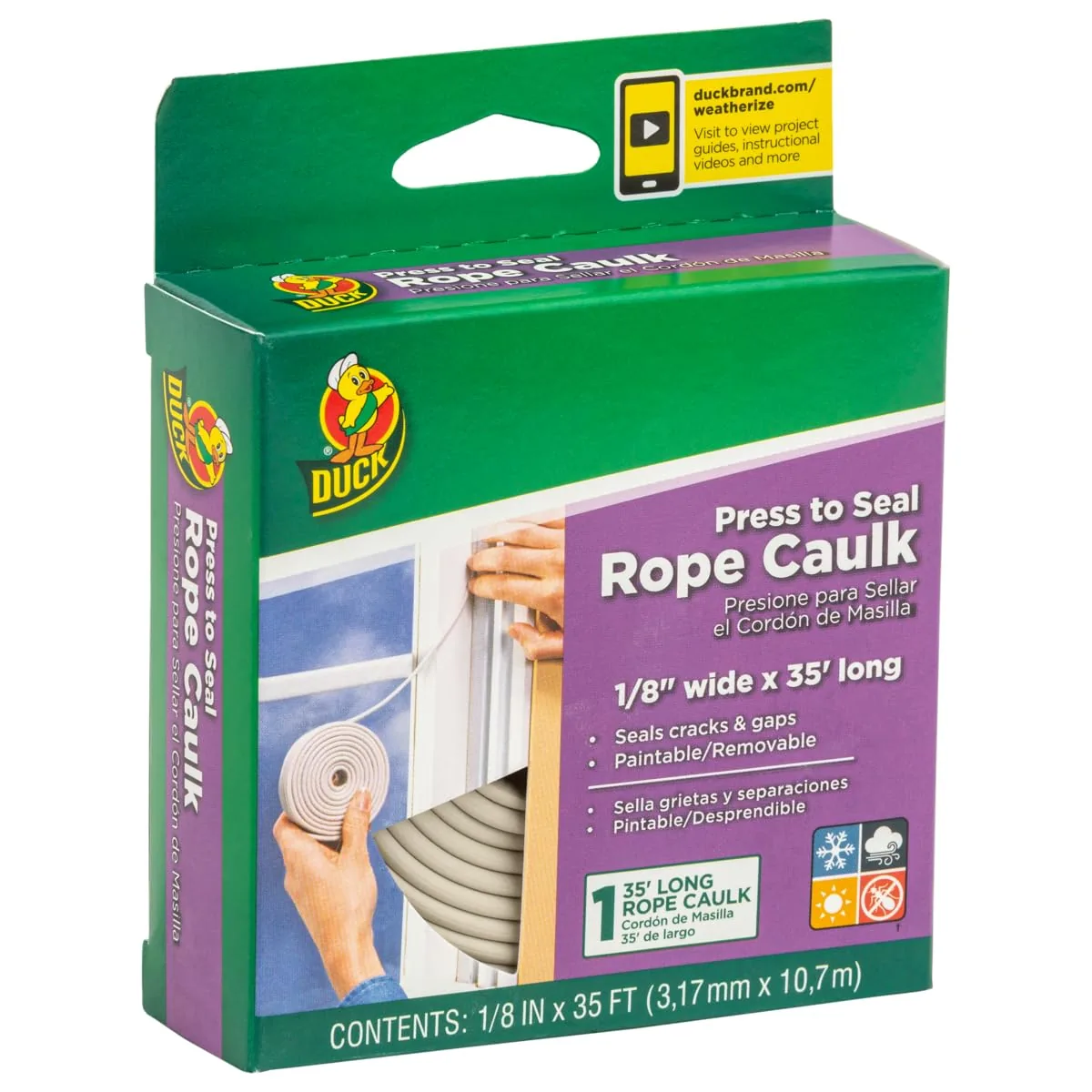
1. Rope Caulk — $5-10
Press into gaps around window frames. Removable in spring. Perfect for rented homes.
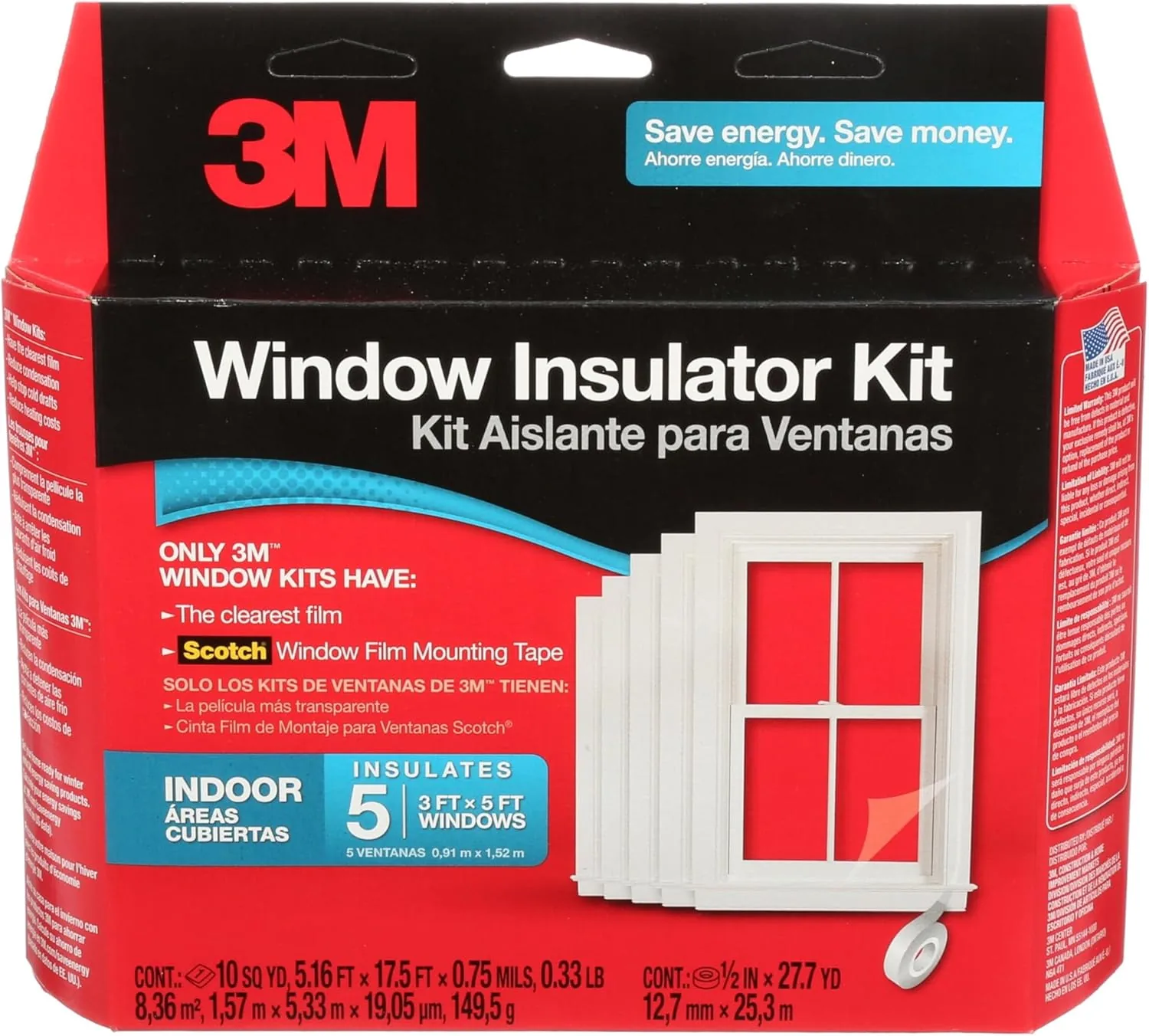
2. Window Insulation Film — $5-15 per window
Creates an air pocket reducing heat transfer by 20%. Invisible once installed with a hair dryer.
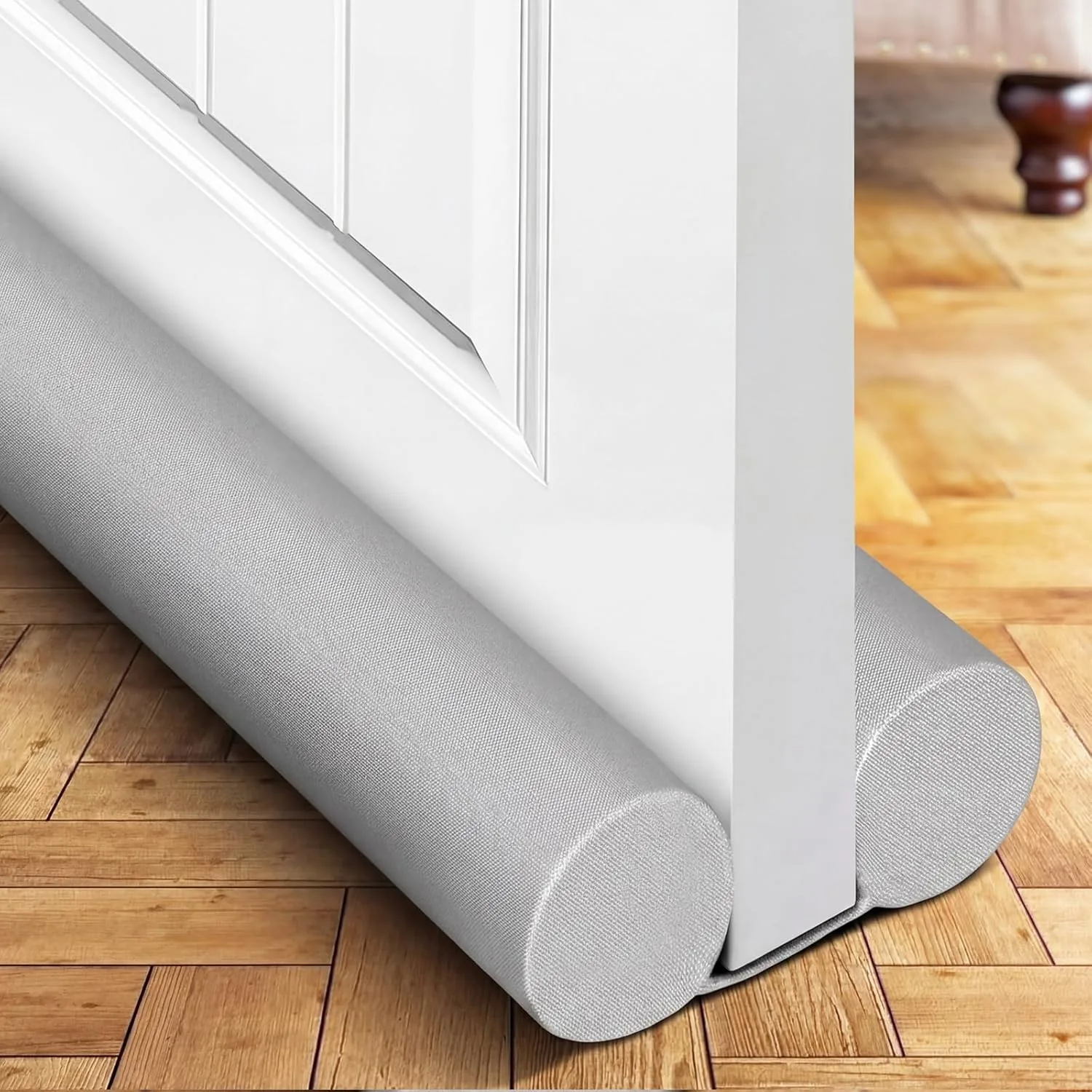
3. Draft Snakes — $10-20
Block cold air at window base and under doors. DIY versions cost pennies using rice and fabric.
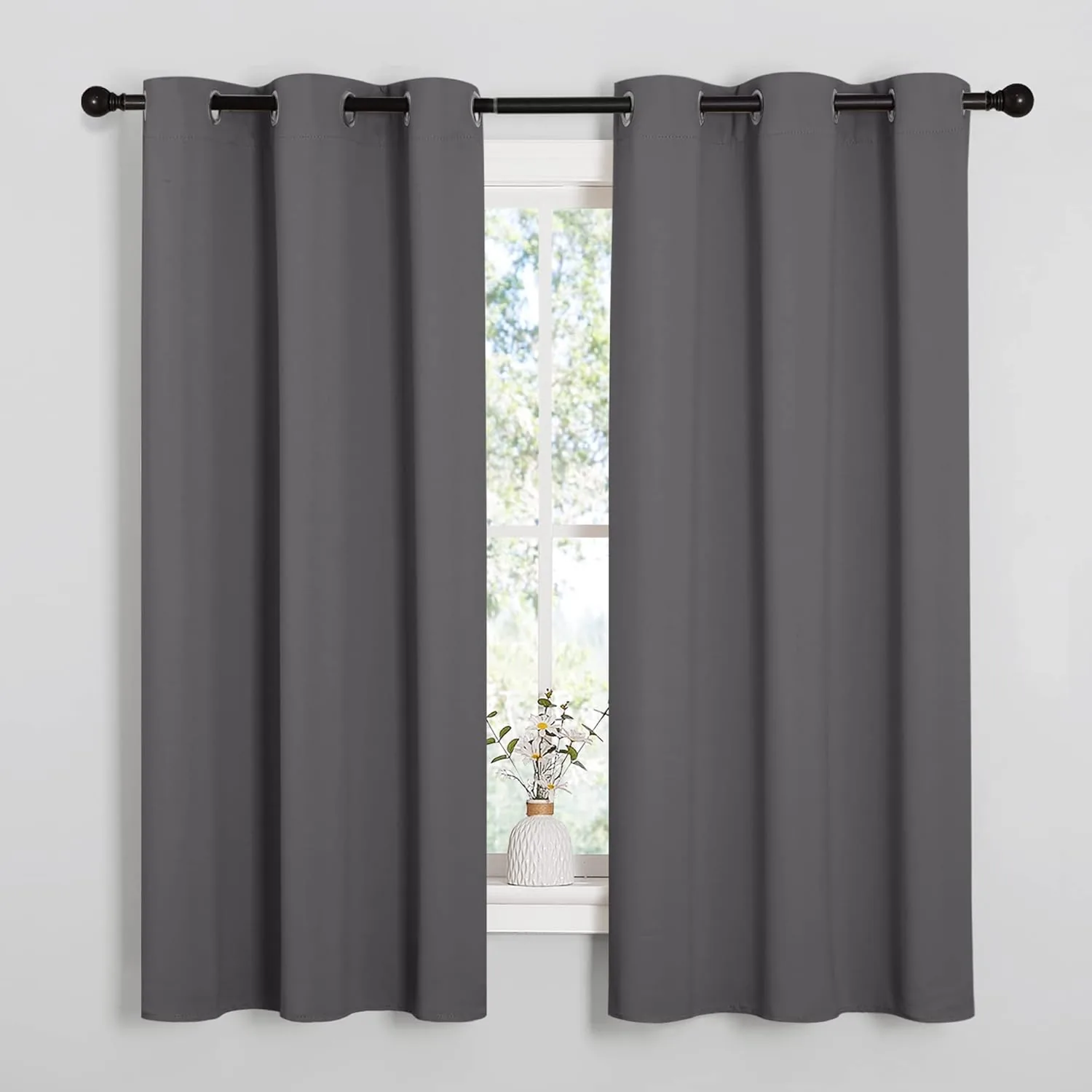
4. Thermal Curtains — $20-50
Reduce heat loss by 25%. Best for rooms you use most (bedroom, living room).
Total Investment: $40-90
Typical Annual Savings: $100-250
Payback Period: 2-5 months
Need a complete winter kit? Check out our Winter Prep Bundle. For a full home audit, visit our Thermal Leaks guide.
Which Window Fix Should You Use First?
Pick the fix based on the symptom, not the product hype. If you feel moving air around the frame, rope caulk or weatherstripping is the first move. If the glass feels ice cold but the frame is fairly tight, insulation film and curtains do more. If the leak is under the sash or stool, draft snakes and compression seals usually outperform heavier curtains. For a baseline before any project, see our guide to the best home energy monitors.
- Rental: rope caulk + film kit.
- Older double-hung windows: draft snake + side-gap sealing.
- Bedroom comfort: thermal curtains last because you can open and close them daily.
Common Mistakes That Kill the Savings
The biggest mistake is installing film or curtains while leaving the actual draft path open. The second biggest is fixing the windows but ignoring the attic hatch, outlet drafts, or door thresholds in the same room. If your winter bill still feels wrong after the cheap fixes, move up to a wider shell audit with our thermal-leak guide and the attic-hatch walkthrough.
What Kind of Savings Should You Expect?
Do not expect one roll of film to transform the whole bill. The real savings come when you treat the coldest rooms completely: side gaps, bottom sash leaks, nighttime curtain coverage, and morning sun management. In a drafty bedroom or living room, that can mean fewer thermostat bumps and a room that finally feels usable without a space heater.
That comfort effect matters because the most expensive winter habit is often raising the whole-house setpoint to compensate for one miserable room.
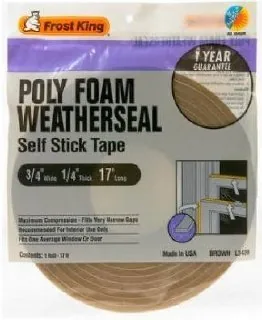
Weatherstripping
Self-adhesive weatherstripping foam tape for sealing window and door gaps
View on Amazon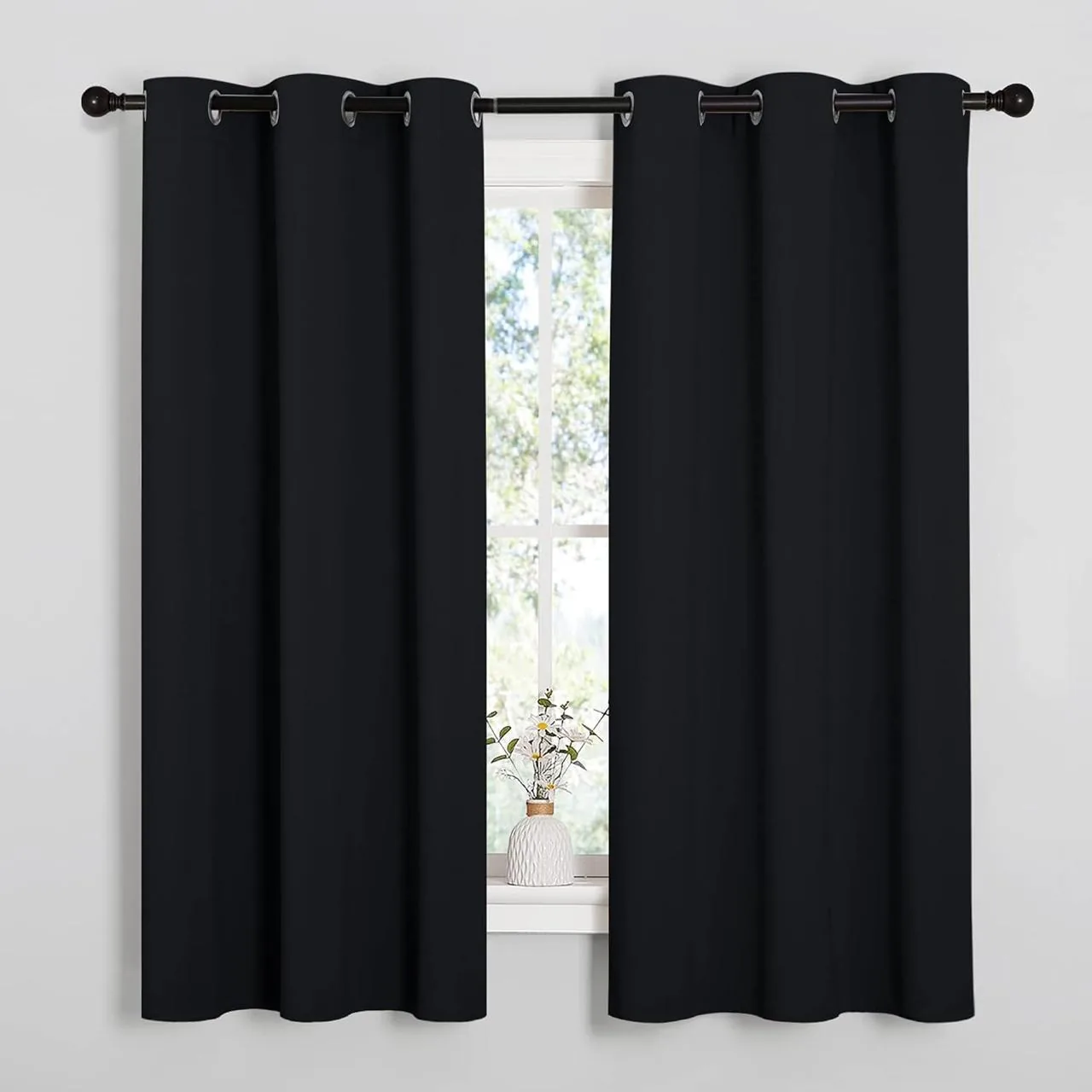
Thermal Curtains
Insulated thermal curtains that block drafts and reduce window heat loss
View on Amazon