EcoGuide · Thermal Leaks · Updated 2026-10-12 · 1,600 words
Window Treatments That Actually Save Energy (Beyond Curtains)
The Short Answer
Windows matter: the Department of Energy says heat gain and heat loss through windows are responsible for 25%–30% of residential heating and cooling energy use. You do not have to replace them to cut that. DOE’s own advice is that if your windows are in good condition, improving them may be the most cost-effective option.
Two attachments have solid test results behind them: insulating cellular shades and low-e storm windows. Films and exterior shading help in hot climates. Ordinary curtains and blinds help mainly when you open and close them at the right times, which most people do not.
What Has Been Measured
| Treatment | Measured result | Best for | Source |
|---|---|---|---|
| Insulating cellular (honeycomb) shades | Up to 20% saving on heating energy, up to 15% on heating and cooling together, compared with no shades | Cold and mixed climates; any window you can reach | DOE fact sheet, 2021 |
| Low-e storm windows or interior panels | 10%–30% saving on heating and cooling costs, depending on the existing window | Single-pane and older double-pane windows | Department of Energy |
| High-efficiency shades, used well (interior or exterior) | Summer cooling savings of 15% to 25%; winter heating savings of about 12% to 14% in field studies | Homes willing to operate or automate them | PNNL Building America Solution Center |
| Exterior insect or solar screens | Exterior screens cut solar heat gain by 46% in published research; interior screens by 14% | Sunny windows in hot climates | PNNL Building America Solution Center |
| Solar control film | No single figure; reduces solar heat gain, and may increase heating needs in winter | Warm and hot climates; east and west windows | PNNL Building America Solution Center |
These numbers come from specific tests against specific baselines, so read them as what is possible, not a promise. The pattern is consistent though: layers that trap air against the glass help in winter, and shading on the outside of the glass helps most in summer.
Cellular Shades
The honeycomb cells trap air between the room and the glass. In Department of Energy testing they saved up to 20% on heating energy compared with bare windows. The same fact sheet notes that vinyl or metal blinds make up about 60% of window coverings in U.S. homes, so for most people this is an upgrade from something that insulates very little.
When you shop, look for the Attachments Energy Rating Council label. It gives each product a Cool Climate rating and a Warm Climate rating: the first reflects savings when you are heating, the second when you are cooling. Higher is better, and ratings only compare within the same product type.
We may earn a commission if you buy through these links, at no extra cost to you. Products are chosen on published specifications; we do not test them in-house (how we choose).
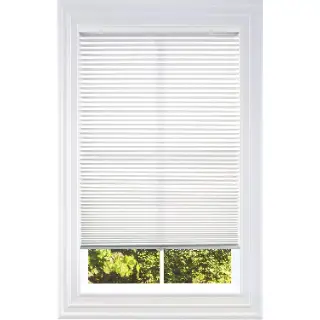
BlindsAvenue Cordless Cellular Shade
Cordless honeycomb shade made to the size you order; choose your window size on the listing. Cordless is what the Consumer Product Safety Commission recommends where young children live.
Check price on AmazonStorm Windows and Interior Panels
A low-e storm window is a second pane, with a heat-reflecting coating, mounted outside or inside the existing window. The Department of Energy says it gives similar energy savings as full window replacement, but at about one-third the cost, and can reduce a home’s overall air leakage by 10% or more. ENERGY STAR certifies storm windows and estimates a saving of $350 on annual heating and cooling bills (about 10%) when they go over single-pane glass, with the extra cost paid back in about three years.
For comparison, ENERGY STAR says replacing single-pane windows with certified new ones lowers household energy bills by an average of up to 13 percent. Storm panels get you most of the way for much less.
The Cheap Winter Fix: Plastic Film
Heat-shrink plastic film taped to the inside of the frame is the budget version of an interior storm panel. It adds a still layer of air and stops drafts through a leaky sash. The Department of Energy has long listed it among its cold-weather tips: tape clear plastic film to the inside of your window frames to reduce drafts. There is no published savings figure for it, and it comes off in spring, but it is the lowest-cost thing on this page.
DOE’s list for improving existing windows starts even more simply: check for air leaks, then caulk and weatherstrip.
We may earn a commission if you buy through these links, at no extra cost to you. Products are chosen on published specifications; we do not test them in-house (how we choose).
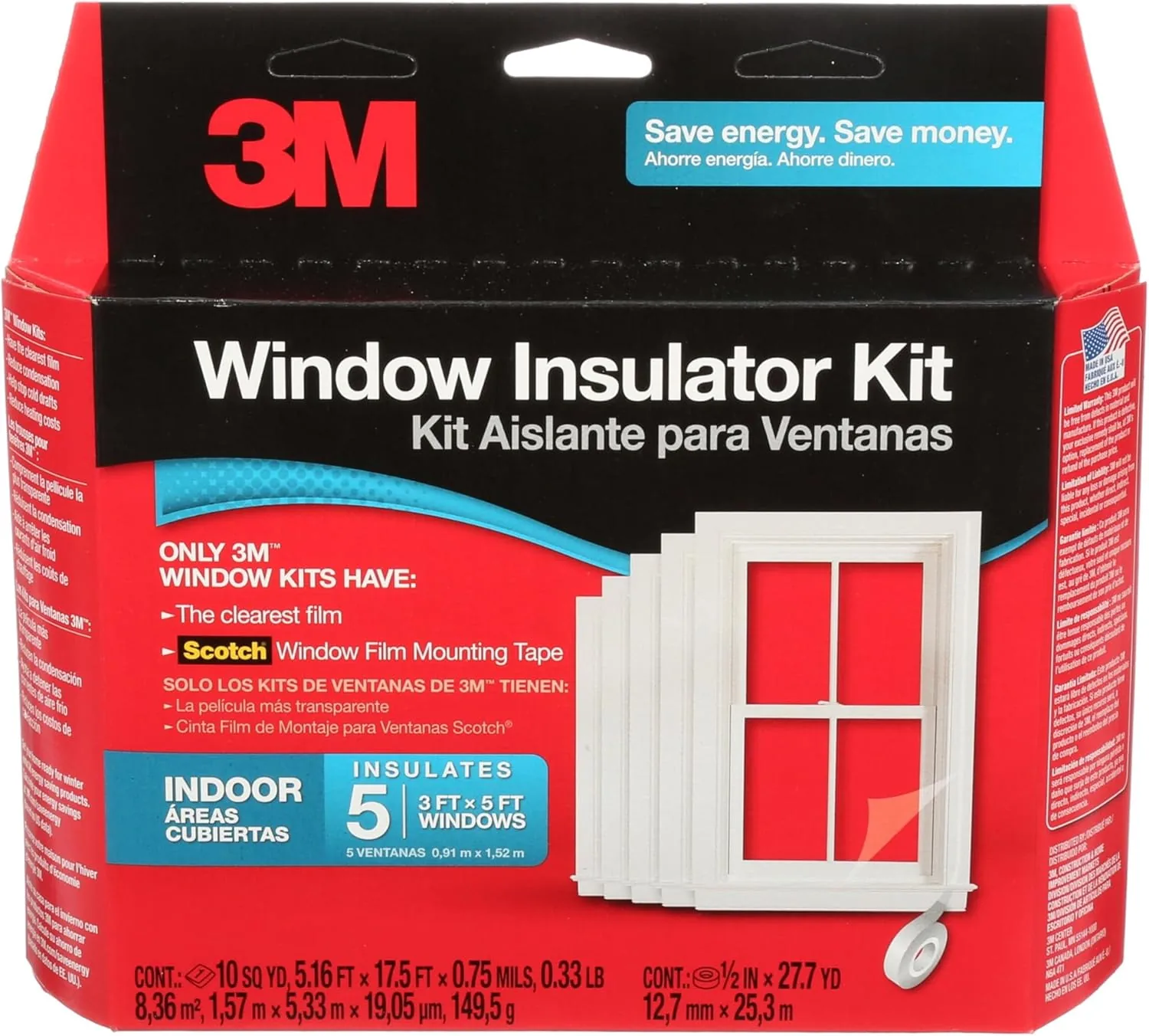
3M Indoor Window Insulator Kit
Heat-shrink film and tape for the inside of the frame. Seasonal; remove it in spring.
Check price on Amazon
Frost King B2 Mortite Caulking Cord
Press-in removable caulk for gaps around a sash that you want to open again later.
Check price on AmazonCurtains and Blinds: It Is How You Use Them
Ordinary coverings can help, but only if they move. A Department of Energy study of how people use them found that between 75% and 84% of coverings remain in the same position throughout the day. The Department’s operating advice is short:
- Winter days: open draperies and shades on your south-facing windows during the day to let the sun in.
- Winter nights: close them to reduce the chill from cold windows.
- Summer: keep coverings closed during the day on windows that get direct sun.
If you will not remember, motorized or scheduled shades do it for you; the Building America Solution Center notes that automated shades can manage solar gain through the day and year.
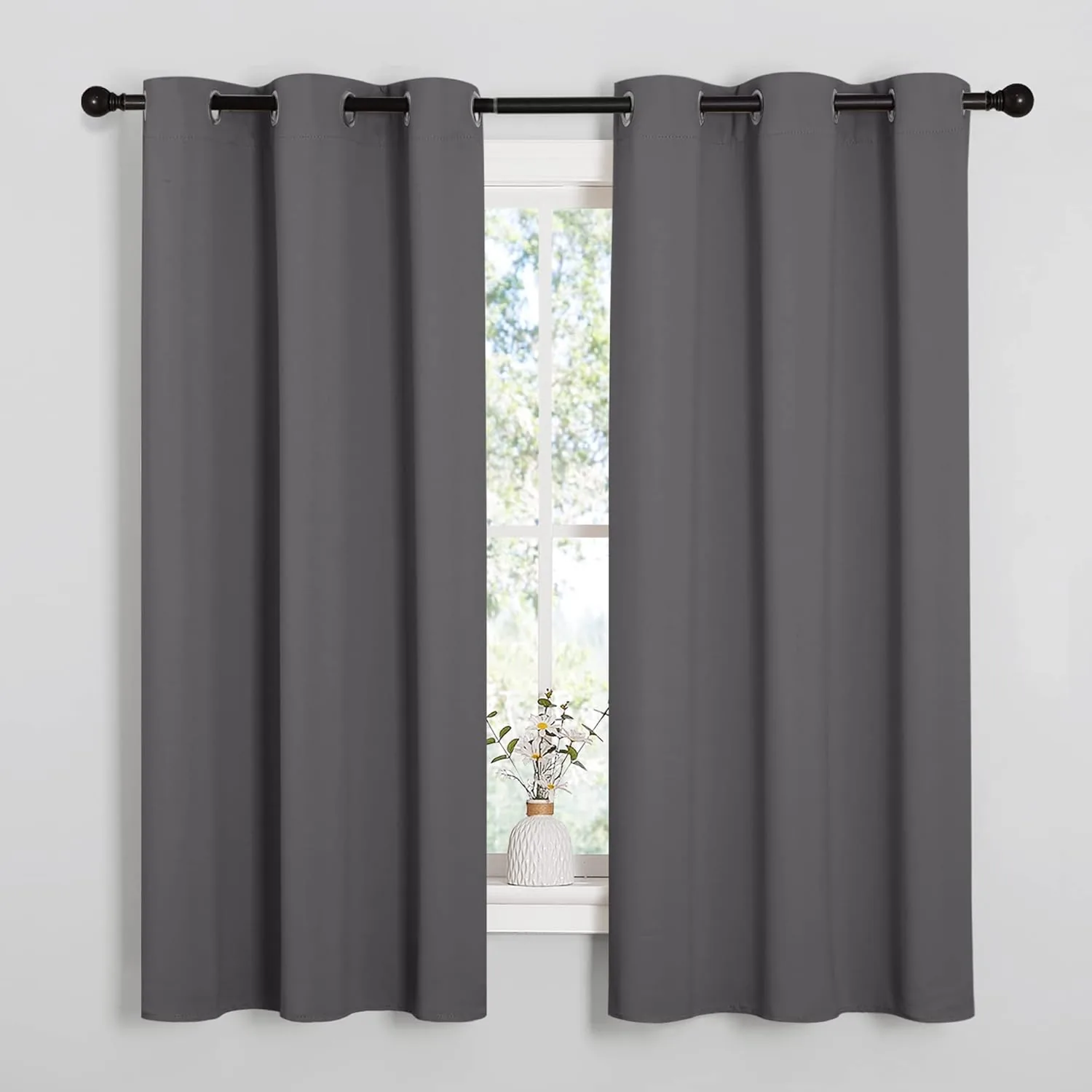
NICETOWN Thermal Blackout Curtains (grey)
Heavy lined curtains for bedrooms. Close them at night in winter and on sunny windows in summer.
Check price on AmazonHot Climates: Shade the Outside of the Glass
- Exterior shading works best. The Building America Solution Center notes that exterior shades block sunlight before it gets through the window and are typically more effective at reducing solar heat gain than interior ones.
- Awnings: the Department of Energy suggests them on south- and west-facing windows.
- Film: DOE suggests sun-control or reflective film on east- and west-facing windows. In a cold climate it can cost you useful winter sun.
- Screens: an exterior solar or insect screen is a cheap way to cut heat gain on a window you still want to see out of.
Two Practical Notes
- Cords and children. The Consumer Product Safety Commission’s advice: the safest option when young children are present is to go cordless.
- Tax credits. The federal credit that covered windows ended for improvements made after December 31, 2025. Some utilities offer rebates on storm windows and shades; check yours before buying.
Free: Home Energy Audit Checklist (PDF)
A two-page, room-by-room checklist for finding air leaks, standby power and heating and cooling waste yourself, in the order that pays back fastest. Get it now, plus new fix guides by email. Unsubscribe any time.
By signing up you agree to receive emails from EcoHome Intelligence. See our Privacy Policy.
Frequently Asked Questions
Which window treatments save the most energy?
Insulating cellular shades and low-e storm windows have the strongest test results. The Department of Energy found cellular shades saved up to 20% on heating energy compared with no shades, and says low-e storm windows can save 10% to 30% on heating and cooling costs.
Do curtains save energy?
They can if you use them: open on sunny winter days, closed at night, and closed on sun-facing windows in summer. A Department of Energy study found most window coverings stay in the same position all day, which is why they often save little.
Are storm windows worth it compared with replacing windows?
The Department of Energy says low-e storm windows give similar energy savings to full replacement at about one-third the cost.
Does window film save energy?
Solar control film reduces heat gain, so it helps most in warm and hot climates and on east and west windows. It may increase heating needs in winter.
Does plastic window insulation film work?
It reduces drafts and adds a layer of still air for the winter, and the Department of Energy lists it among its cold-weather tips. There is no published savings figure for it.
How much heat is lost through windows?
The Department of Energy says heat gain and loss through windows account for 25% to 30% of residential heating and cooling energy use.
Related Guides
- How to insulate windows for winter cheaply — step by step
- Do new windows lower energy bills? — when replacement is worth it
- How to find thermal leaks — locating the drafts first
- Home energy audit checklist — a two-page printable
- Best window insulation film kits — shrink film compared
- Best thermal curtains for winter — which to buy and how to hang them
Sources
- U.S. Department of Energy: Energy efficient windows
- U.S. Department of Energy: Interior cellular shades fact sheet (2021, PDF)
- U.S. Department of Energy: Storm windows
- PNNL Building America Solution Center: Window attachments for solar control and energy efficiency
- U.S. Department of Energy: Residential windows and window coverings, user behavior study (2013, PDF)
- U.S. Department of Energy: Energy Saver guide (PDF)
- U.S. Department of Energy: Tips on saving money and energy at home (2011, PDF)
- ENERGY STAR: Storm windows
- ENERGY STAR: Residential windows, doors and skylights
- Attachments Energy Rating Council: Reading the residential label
- Consumer Product Safety Commission: Go cordless
